19 Nov 2026
Navigating Payment Innovations and Player Protection Protocols Across Mobile Gaming Platforms Under National Oversight
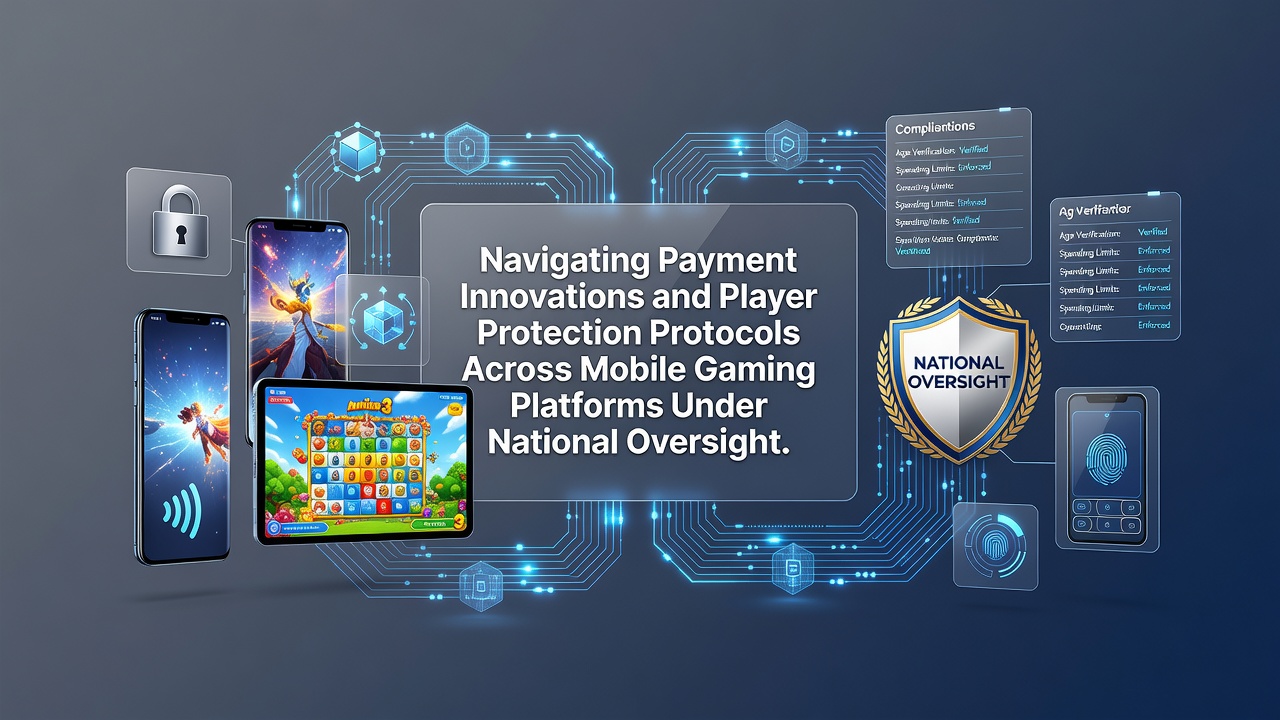
Payment innovations continue to reshape mobile gaming as operators integrate digital wallets, instant bank transfers, and cryptocurrency options while national regulators enforce strict player protection standards across platforms. In November 2026 observers note that several jurisdictions have updated their frameworks to address these rapid technological shifts in real time.
Payment Innovations in Mobile Gaming
Digital payment methods have expanded significantly since 2024 with mobile platforms adopting open banking protocols that allow direct account-to-account transfers without storing sensitive card details. Research from industry reports indicates that transaction speeds now average under 10 seconds for approved deposits in markets like Australia and Canada where oversight bodies require encrypted verification layers. These systems reduce fraud incidents by routing funds through centralized clearing houses monitored by national authorities.
Blockchain-based payments appear in select jurisdictions although adoption remains limited due to volatility concerns and reporting mandates. Data from the Canadian Gaming Association shows that operators using stablecoin options must maintain separate ledgers for audit trails which national oversight enforces through quarterly submissions. Meanwhile traditional card networks have introduced tokenized payments that replace actual account numbers with unique identifiers generated per transaction.
Player Protection Protocols Under Oversight
National regulators mandate self-exclusion databases that sync across multiple operators to prevent account creation during exclusion periods. In the United States several state gaming commissions require real-time monitoring tools that flag unusual betting patterns and trigger automated spending limit prompts. These protocols integrate directly with payment gateways so that deposit attempts exceeding daily thresholds receive immediate blocks without manual intervention.
Reality checks and session timers form core elements of protection frameworks in the European Union and Australia where operators must display cumulative time and spend data every 30 minutes. Figures from government health agencies reveal that such interventions correlate with reduced session lengths in monitored populations. Verification processes now include biometric checks on mobile devices to confirm player identity before processing any financial transaction.
Integration of Payments and Protections in Mobile Environments
Mobile platforms must balance seamless user experiences with compliance requirements that national oversight places on transaction monitoring. Payment innovations like one-click deposits undergo testing against responsible gambling algorithms that pause transactions when risk indicators appear. Those who've studied these systems note that API connections between payment processors and protection databases allow for sub-second decisions on whether to approve or flag an action.
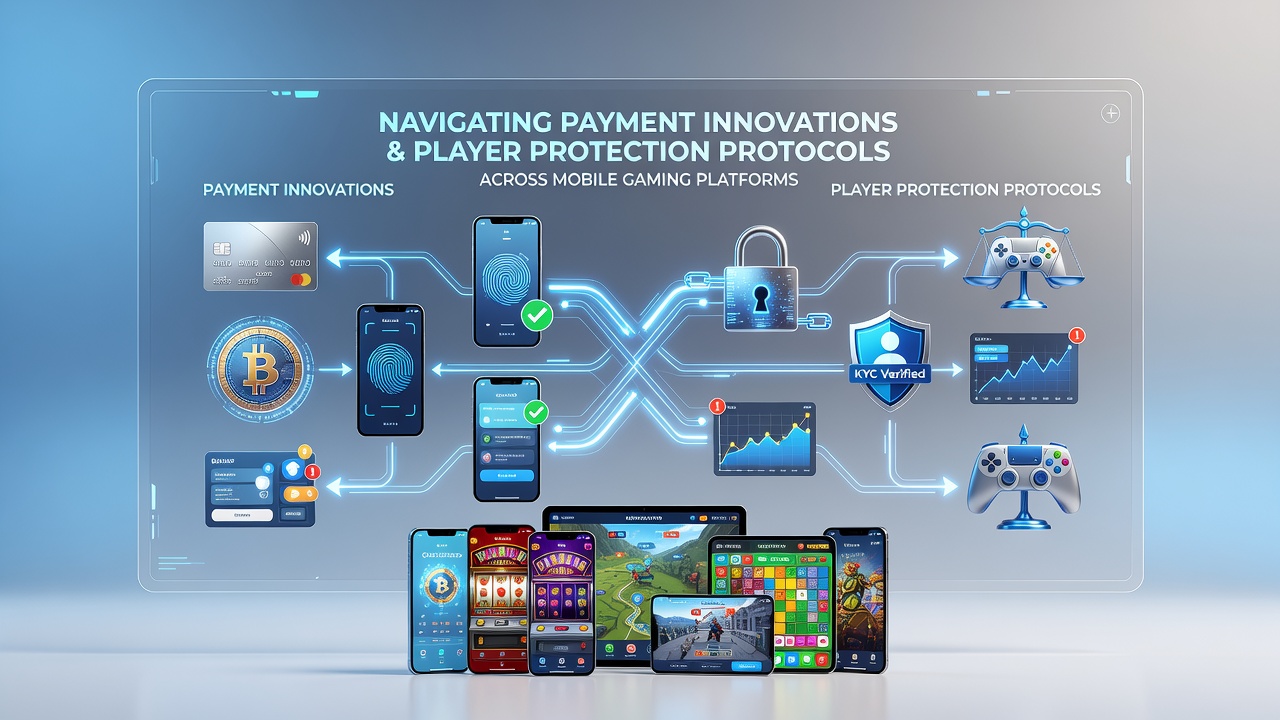
Operators in multiple regions report that national rules require logging every payment attempt alongside player behavior metrics for at least five years. This data supports audits that evaluate whether protection tools function as intended across different device types and operating systems. What's interesting is how some frameworks now tie payment velocity limits directly to verified income data supplied through secure government portals in select pilot programs.
National Oversight Approaches Across Regions
Regulatory bodies in Canada and Australia emphasize collaboration between financial institutions and gaming authorities to create unified reporting standards for suspicious activity. These partnerships enable faster identification of money laundering attempts that sometimes exploit rapid mobile deposit features. Evidence from academic studies at institutions like the University of Melbourne indicates that cross-agency data sharing reduces undetected high-risk transactions by measurable percentages in controlled evaluations.
Yet challenges persist as payment innovations evolve faster than some legislative cycles can accommodate. National oversight often relies on performance-based rules that require operators to demonstrate effective protection outcomes rather than prescribing exact technical methods. This approach allows flexibility while still holding platforms accountable through periodic reviews and public reporting requirements.
Conclusion
Mobile gaming continues to see payment innovations tested against robust player protection protocols enforced by national oversight bodies. The intersection of these elements produces frameworks that prioritize security and compliance without halting technological progress. Observers continue to track developments in this space as regulators and operators refine their approaches through ongoing data collection and system updates.